Now here's the kicker: Why?
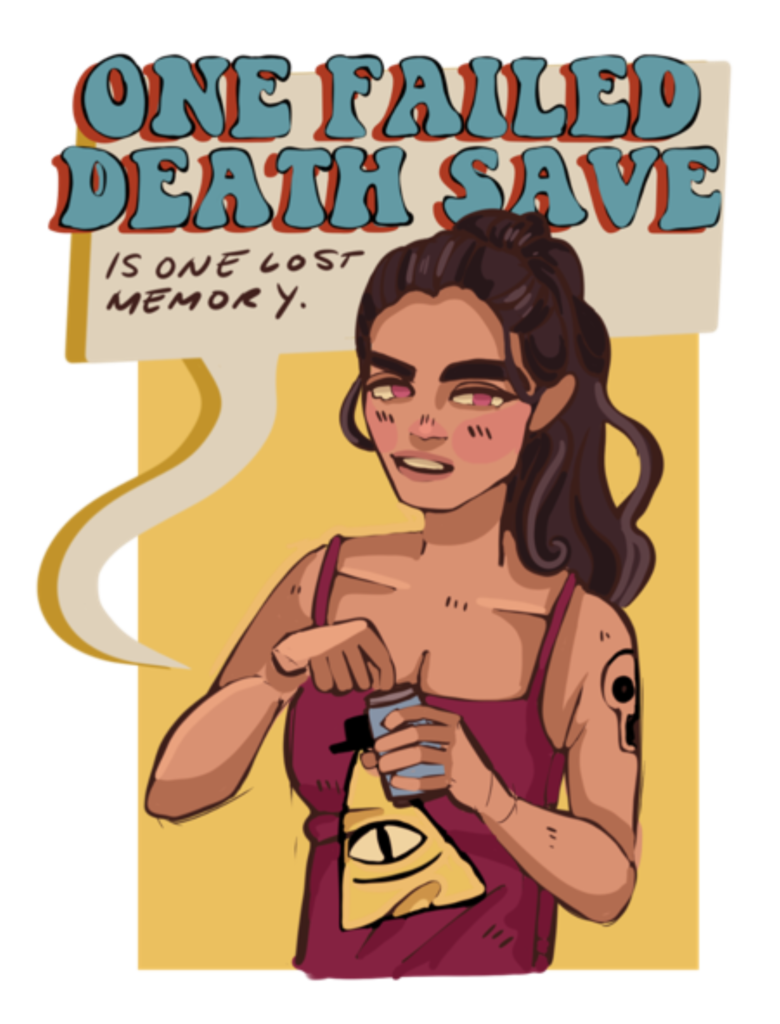
I didn’t set out to redesign how Dungeons & Dragons is played. I just wanted something that actually worked for me—and, if I’m being honest, something that wouldn’t fall apart the moment life got messy.
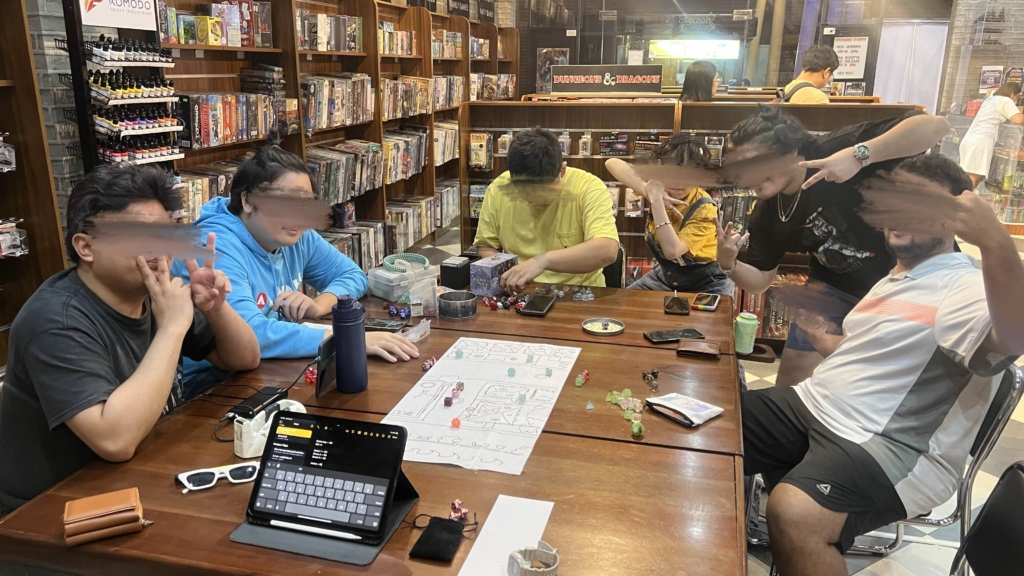
I have ADHD. Time management and strict scheduling have never been my strongest skills, and traditional DnD leans heavily on both. Weekly sessions, fixed times, everyone needing to show up at once—it’s great in theory, but in practice, it can feel like trying to hold water in your hands. Add to that the fact that my friends are constantly moving—different cities, different countries, different time zones—and suddenly the idea of a consistent in-person campaign becomes less of a plan and more of a wish.
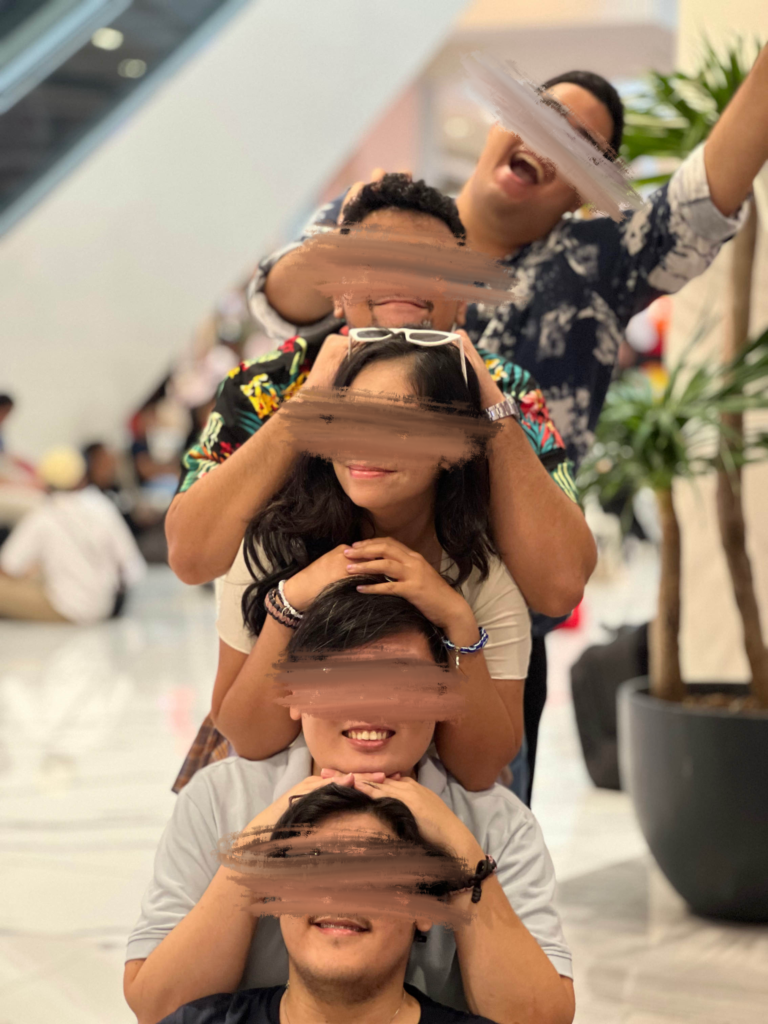
But the bigger reason? I don’t let go of things easily. Not stories, not characters, not worlds. When a session ends, my brain doesn’t just switch off. I’m still thinking about what my character would do next, what they’re feeling, what small, quiet moments happen between the big plot points. Traditional DnD doesn’t always have space for that. It’s built around sessions—start, play, stop. I wanted something that didn’t force that stop.
I started playing DnD during the pandemic, which meant my introduction to the game was already digital. Discord calls, online sheets, bots handling rolls—that wasn’t a workaround for me, that was the experience. It’s how I fell in love with the game in the first place. But at the same time, I struggled. Mechanics didn’t come naturally to me. Understanding builds, remembering rules, keeping track of everything—it was overwhelming, especially with a learning disability in the mix. The bots and tools weren’t just convenient; they were necessary. They made the game accessible in a way that let me actually enjoy it instead of constantly feeling like I was falling behind.
So when I became a Dungeon Master, I didn’t want to abandon that system—I wanted to refine it. I wanted to take what already worked for me and make it better, not just for myself, but for my players too.
Folk Gate came out of that. It’s my way of keeping everything I love about DnD while removing the parts that made it hard to sustain. It uses Discord not just as a communication tool, but as a living space for the game. Players who have the time and energy to engage between sessions can dive into side quests, roleplay, and lore. They can develop their characters in small, meaningful ways. But just as importantly, players who can only show up during sessions aren’t punished for it. They still get the full experience. They’re still part of the story. The extra content is there as an opportunity, not an obligation.
It’s a balance I care about a lot—rewarding enthusiasm without making it feel required.
And honestly? It’s been more than five years since I started DMing, and I’m still having fun with it.
is proudly powered by WordPress